
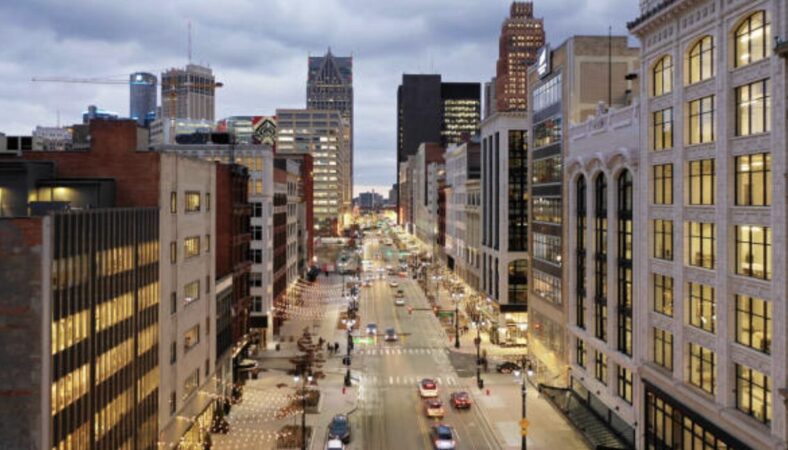



Woodward Avenue in downtown Detroit has always been more than a street. For much of the 20th century, it was Detroit’s commercial backbone — a place where people came to shop, gather, and experience the city. In the 1950s and early 1960s, downtown Woodward was packed with department stores, theaters, restaurants, and storefronts that drew shoppers from across the region – and further. It was busy, vibrant and enticing.
Then came decades of decline.
As population waned in Detroit and businesses moved to the suburbs, downtown retail thinned out. Storefronts closed. Foot traffic slowed. Woodward remained iconic in name and geography, but its role as a retail destination faded. For years, it was unclear whether the corridor could return as a true center of activity.
Over the last few years, that has quietly shifted.
Woodward today feels different — not suddenly transformed, but clearly moving forward. New storefronts are opening. Sidewalks are busier. And most importantly, the types of brands choosing Woodward suggest something deeper than a retail rebound.
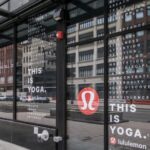
LULULEMON
The brands moving in aren’t just selling products. They’re selling experiences and values — wellness, design, performance, sustainability, and fashion as expression. These stores are built for browsing, interaction, and presence, not quick in-and-out transactions.
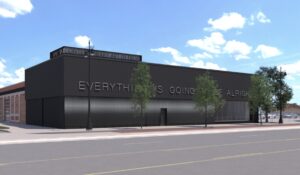
Recent openings and commitments tell the story. Alo Yoga. Apple. Gardner White’s return downtown. Timberland. Savage X Fenty. Alongside them, established anchors like Nike, Lululemon, Shinola, H&M, and Warby Parker continue to hold ground. Each brand reflects a shift in how people shop — and why they choose physical retail at all.
What unites these brands is not category, but strategy. They’re investing in physical spaces because those spaces do something digital platforms can’t: they invite connection. From open layouts and tactile materials to community programming and in-store events, physical retail on Woodward is increasingly about presence.
For brands, that means deeper engagement and loyalty. For the street, it means longer visits, repeat footfall, and energy that extends beyond the storefront. In a downtown that must earn attention rather than assume it, this shift matters.
And while national brands may be the most visible sign of momentum, they are only part of the picture.
Independent, Detroit-based retailers continue to give Woodward its character. Shops like Urbanum, known for its modern, globally inspired home goods; Frida, offering curated clothing and accessories; and Detroit vs. Everybody, a brand built around local pride, help shape the area’s identity.
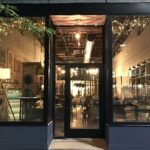
URBANUM
These businesses don’t compete with national brands — they balance them. Together, they create a retail environment that feels local and intentional.
The comparison to Chicago’s Miracle Mile often comes up. Detroit isn’t there yet — and doesn’t need to be. What’s happening on Woodward isn’t about becoming a replica of another city’s retail district. It’s about creating something that fits Detroit’s pace and culture.
The growth feels intentional.
Apple stores don’t open casually; they signal long-term confidence in foot traffic, tourism, and cultural relevance. Gardner White’s downtown return shows confidence in downtown as a place where people make meaningful lifestyle decisions — not just impulse purchases.
Fashion and wellness brands like Alo and Savage X Fenty bring a different kind of energy — one rooted in movement and inclusivity. These brands thrive in environments where people are present, engaged, and curious, and Woodward is increasingly becoming that.
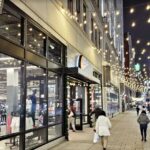
NIKE STORE ON WOODWARD
This retail momentum doesn’t exist on its own. It’s layered on top of years of public and private investment that have made downtown more livable and more active. Campus Martius. Capitol Park. The riverfront. New housing. Office-to-residential conversions. Expanded bike lanes and improved walkability.
There are also signs of density returning in meaningful ways. The redevelopment of the former Hudson’s site, now home to the Hudson’s Detroit project, reinforces Woodward’s long-term trajectory. Without overhyping it, the symbolism matters: a site once central to downtown commerce is again contributing to daily life along the corridor.
Still, this moment is unfolding gradually — and that’s part of what makes it promising.
Woodward’s progress depends on continued care including support for local and independent businesses and programming that keeps the street active. National brands help build stability, but can’t define it alone. Pop-ups, events, cafes, and cultural spaces soften the edges and make retail feel human. But the direction is clear – Woodward Avenue is becoming a place where brands — both local and national — see long-term value.
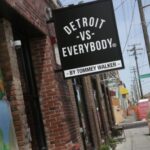
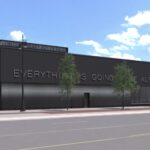
DETROIT VS. EVERYBODY
Detroit doesn’t need a “miracle mile.” What’s emerging on Woodward is slower and more grounded — a retail landscape shaped by intention, creativity, and confidence in the city’s future.
If the last few years tell us anything, this story is still being written.”
As always, be sure to subscribe to our newsletter for regular updates on all things Detroit.