



As Detroit continues to evolve as a significant player as a city known for its food scene, conversations around the culture and entrepreneurship, access, opportunity and career pathways are more important than ever before. That’s part of the thinking behind the upcoming Business of Food Summit, an event designed by Detroitisit to bring together industry leaders, operators and emerging talent to explore how the food ecosystem is growing and where it’s headed next.
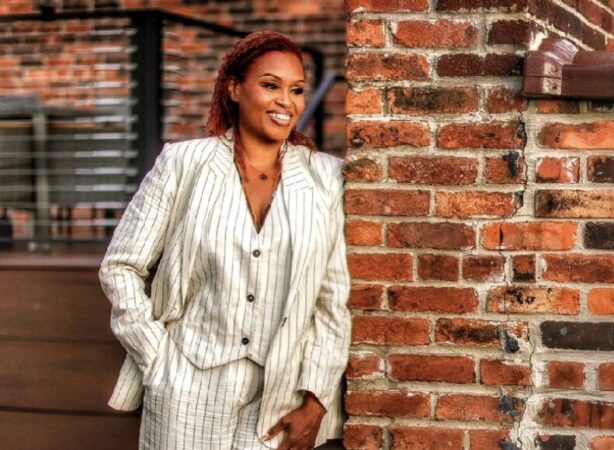
Among the speakers is Nina Love, founder and CEO of All Black Everything Hospitality Group which houses The Love Experience, a full service culinary, event, and experience firm and Love’s Table, a luxury, curated, communal dining and entertainment experience. Through partnerships across industries, Love has spent years expanding how people think about careers in food and hospitality, challenging the idea that those paths are limited to traditional restaurant roles.
One of the most exciting things about hospitality is that it extends far beyond traditional restaurant roles,
Love says, pointing to the wide range of directions she’s seen emerge, from culinary media and entrepreneurship to event production, hospitality technology, supply chain logistics and urban agriculture.
That breadth is often overlooked. She says hospitality doesn’t sit in a single category – it intersects with media, technology, health, education and community development in ways that create far more opportunity than many people initially realize.
We’ve also seen creatives, artists, and community leaders use hospitality as a platform for storytelling, cultural preservation, and economic empowerment. The industry is far more interdisciplinary than many people realize.
Expanding awareness of those possibilities starts early. For many young people, exposure to the industry is limited to what’s most visible – serving tables or working in a kitchen – without a clear understanding of the broader ecosystem behind it.
“Early exposure is critical,” Love says. “Many young people only see the most visible parts of the industry without understanding the breadth of opportunity available.”
What makes a difference is not just awareness, but experience. Mentorship, site visits, internships, workshops and shadowing opportunities allow individuals to engage directly with the industry in tangible ways.
“It’s not enough to tell young people opportunities exist,” she says. “They need to experience environments where they can envision themselves belonging and thriving.”
At the same time, access to those opportunities remains uneven, particularly in cities like Detroit, where the talent and creativity are present, but structural barriers still exist.
“Some of the biggest barriers include limited access to mentorship, inconsistent transportation, lack of professional networks, undercapitalization for entrepreneurs, burnout, and the absence of clear advancement pipelines,” Love says.
Those challenges often create a disconnect between potential and progression.
“There is often a disconnect between talent and opportunity,” she adds. “Many individuals possess incredible creativity and work ethic but lack access to the social and professional infrastructure that helps careers accelerate.”
In Detroit, that reality exists alongside a food ecosystem that is rich with cultural influence and innovation. New ideas are constantly taking shape, but continued investment is needed to ensure those ideas can grow sustainably. “In Detroit specifically, there is tremendous talent and cultural richness,” Love says.
But continued investment is needed to ensure pathways are equitable, sustainable, and connected to long-term economic mobility.
That work is already happening in different ways – through education, mentorship and community-based programming – but strengthening those connections remains key to building a more accessible and resilient system. For those looking to enter the industry today, Love sees more possibility than ever before.
“I want people to understand that hospitality is one of the few industries where passion, creativity, community impact, entrepreneurship, and career growth can all intersect,” she says.
From culinary arts and beverage programs to event production, content creation, hospitality management and urban agriculture, the range of entry points continues to expand. “There are more pathways available today than ever before,” Love says. “Detroit’s hospitality ecosystem is evolving rapidly, and there is space for new voices, new ideas, and new leadership.”
The challenge – and the opportunity – is making sure people can see themselves within it.
“The first step is simply getting connected,” she says. “Finding mentorship, community, and environments that nurture curiosity into capability.”
That idea sits at the heart of the Business of Food Summit conversations taking place this month, supported by the Gilbert Family Foundation. As the industry continues to grow beyond traditional definitions, the conversation is shifting from what food and hospitality are, to what they can become – and how that future gets shaped.
As always, be sure to subscribe to our newsletter for regular updates on all things Detroit and more. Sign up for the Business of Food Summit Monday May 18th here.